Our Work
We are excited to highlight examples of our recent work in standards and web applications. For a more in-depth understanding of our approach to projects, see our Services Page.

Improving lazy-loading implementation
In 2020, Bocoup helped research usage patterns on the web for lazy-loaded images to inform optimal behavior for browsers to implement for the new loading="lazy" attribute on img and iframe elements in HTML.
Helping browsers to maintain consistent behavior when working with plaintext
In 2020 and 2021 we helped the Google Rendering team with specification tests for several things, including improving the interoperability of the “plaintext-only” value.
Learn More about Improving the interoperability of “text-only”
Community Reporting of Algorithmic System Harms (CRASH)
We partnered with the Algorithmic Justice League and a community of advocacy and legal aid organizations to co-design a prototype and long-term roadmap for an algorithmic harms reporting tool.
Learn More about Co-Designing a Prototype and Long-Term Roadmap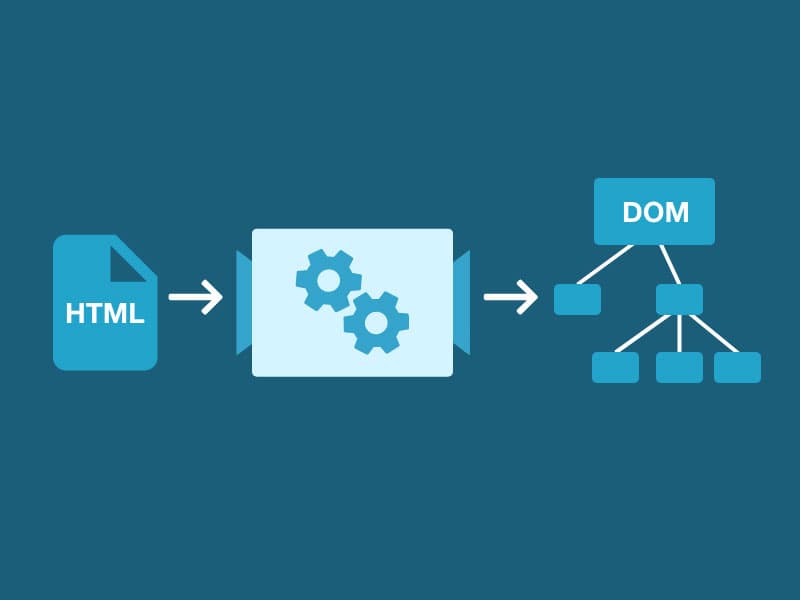
Standardizing the Speculative HTML Parser
Addressing the review comments for the speculative HTML parser spec change and get it merged into the HTML standard.
Learn More about Speculative HTML parser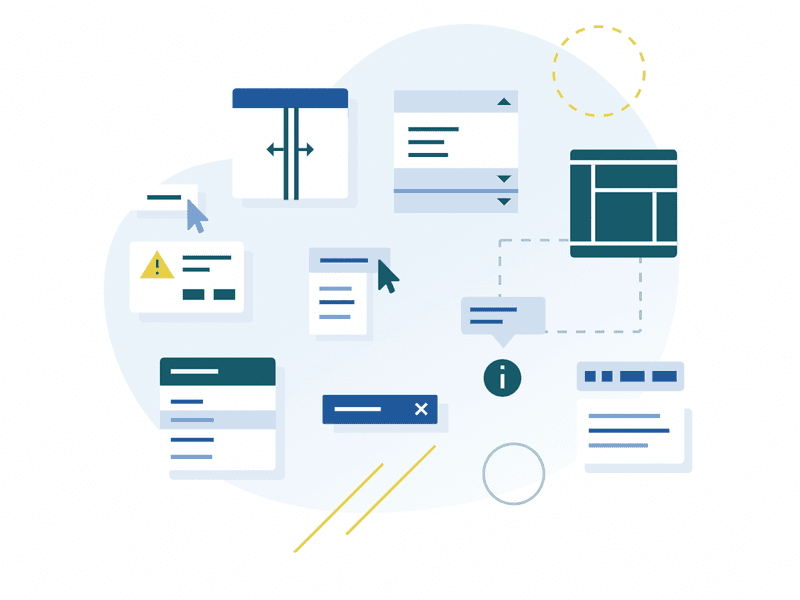
Working on lazy-loading video element poster attribute
We continued to expand our work with lazy-loading in an effort to improve interoperability in browser engines and address pain points for web developers.
Learn More about Improving lazy-loading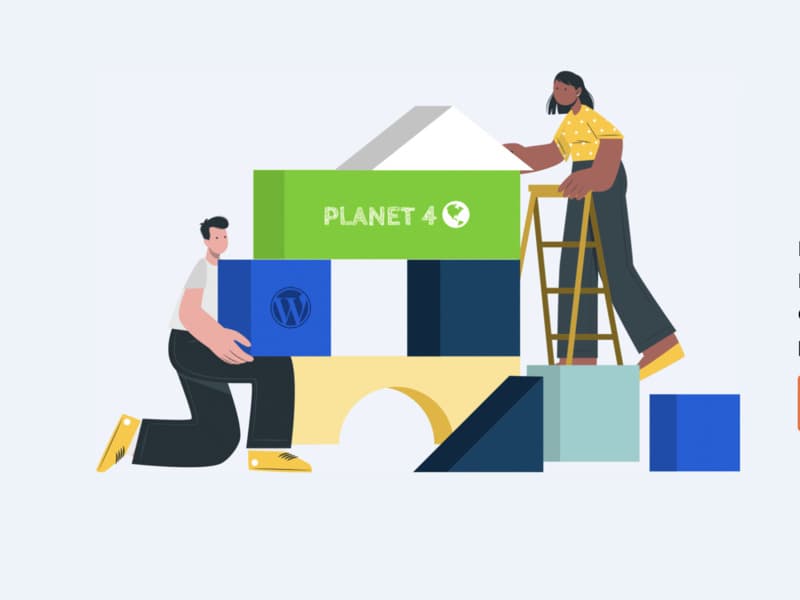
Researching Users and Designing for Activists
International environmental group Greenpeace approached us to create Planet 4 – a site where folks could build websites and digital engagement platforms using Wordpress specifically centering green movements and campaigns.
Learn More about Planet 4
Tests, developer tools, and public test-running infrastructure for the worlds biggest piece of software.
We're working with rendering teams from each major browser, primarily funded by Google and Mozilla, to increase web platform test coverage, spec author experience, implementer experience, and overall platform compatibility.
Learn More about Web Platform Tests
An app for manual testing of browsers and ATs rendering ARIA accessibility features.
We built an app that tests how the ARIA accessibility patterns are rendered in assistive technologies (like screen-readers) and browsers. The project started with manual testing and has now evolved to include an innovative system to automatically record the behavior of the ATs.
Learn More about An app that tests how browsers and Assistive Technologies (ATs) render ARIA accessibility featuresOur Clients